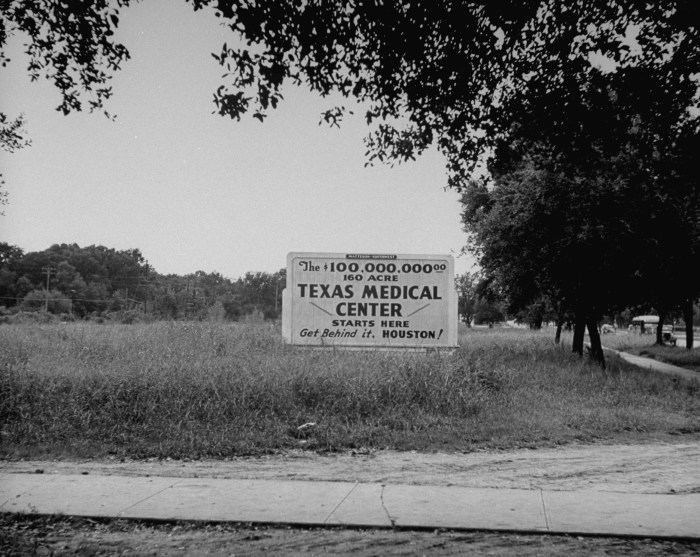
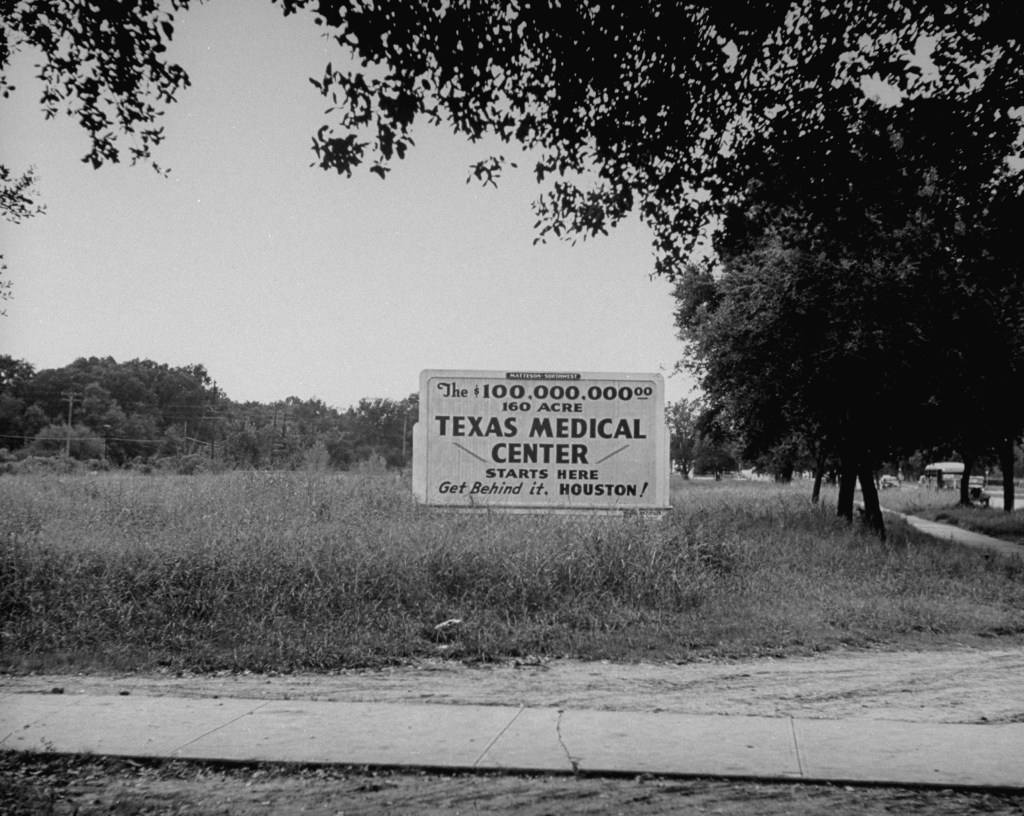
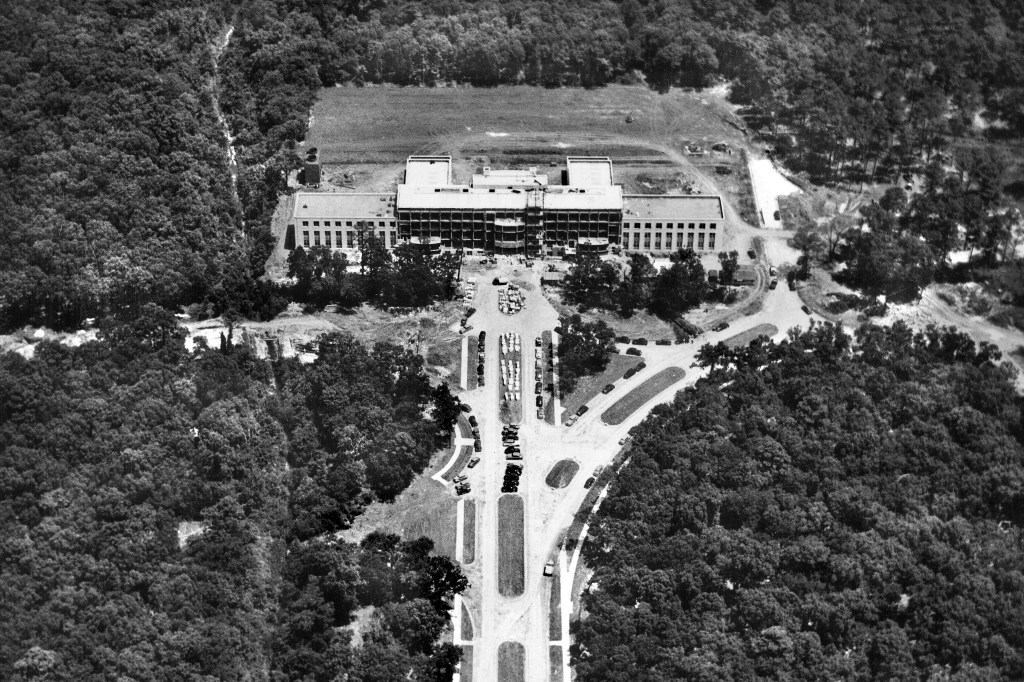
Baylor College of Medicine celebrates an important milestone on Sept. 15 – the 125th anniversary of the founding of the institution in Dallas, Texas. This set the course for Baylor’s eventual move to Houston as a founding member of the Texas Medical Center and rise to prominence in education, research and patient care.
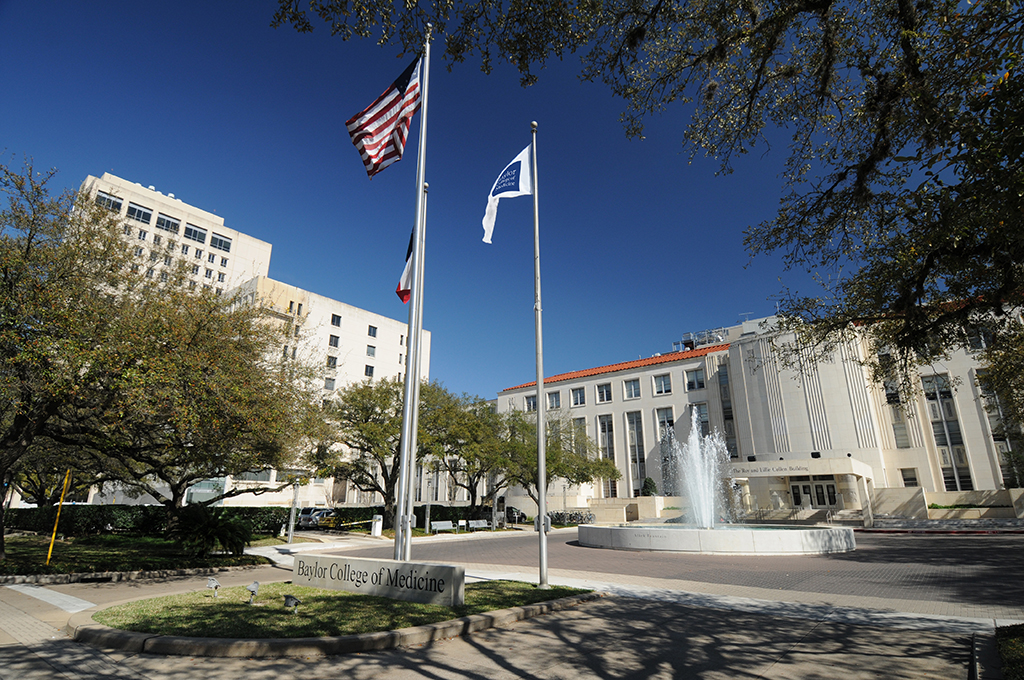
The story begins in 1900 when the University of Dallas Medical Department was founded. It then became affiliated with Baylor University; its new name: Baylor University College of Medicine. In 1943, the College began calling Houston home, and in 1969 it became its own institution, Baylor College of Medicine, led in the early days by cardiovascular surgeon and Baylor’s first president, Dr. Michael E. DeBakey.
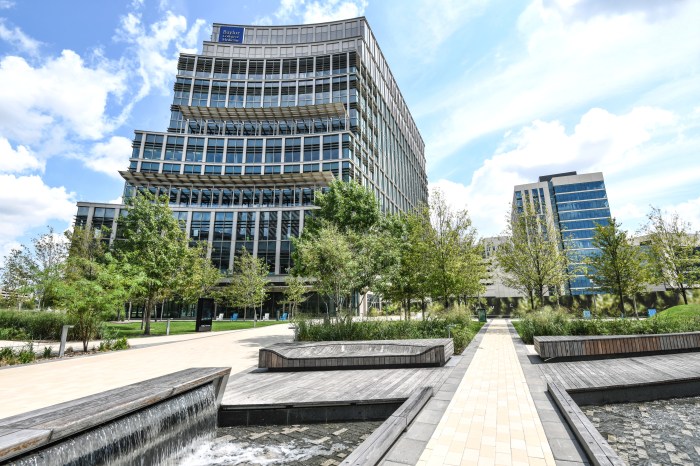
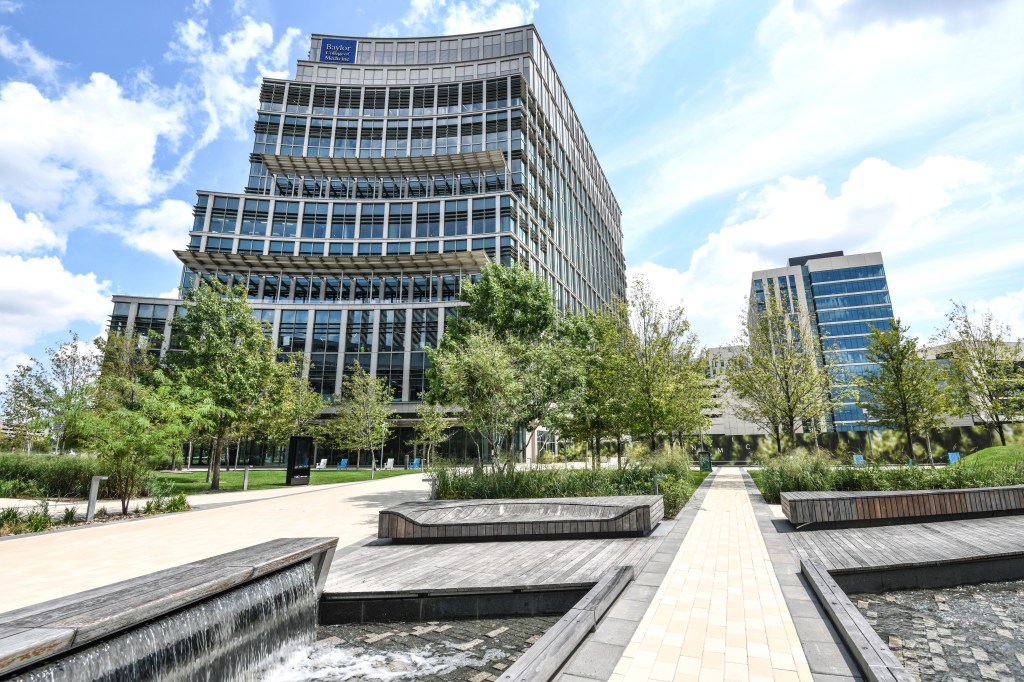
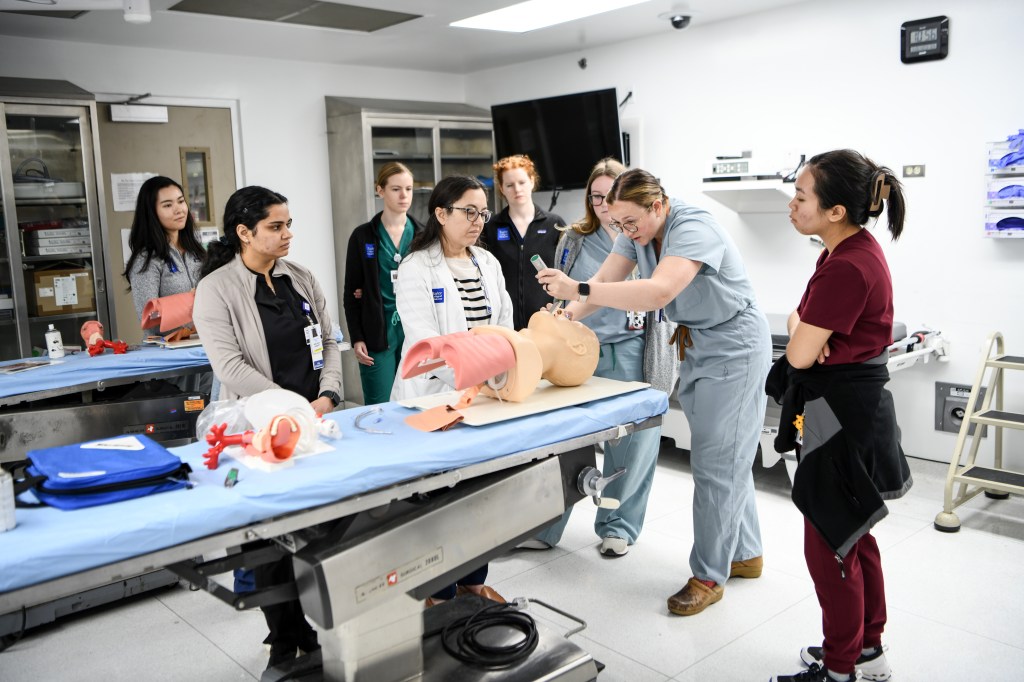
Today, Baylor remains a leader in academic medicine. A new education building, the Lillie and Roy Cullen Tower, will bring together learning, teaching and research in a collaborative, state-of-the art environment, right next to established patient care on the McNair campus. At 503,000-square-feet, the tower will feature small-group and studio classrooms to facilitate active learning alongside large-capacity, high-tech theater-style event space. It also will house a state-of-the-art anatomy lab, teaching labs and simulation center that will provide immersive, hands-on learning before students conduct clinical rotations. In addition, innovative research space will focus on the big data analytics that are vital to scientific breakthroughs.
To take a virtual tour of the new tower, click here. On Give Big Day, Sept. 16, help raise $125,000 in honor of the 125th anniversary to fuel the future of education, research and patient care at Baylor. Give here.
Next door at the Texas Medical Center’s Helix Park, new lab and office space in the Dynamic One building increases the depth and breadth of Baylor’s research capacity with highly-innovative labs, focused on novel diagnostics and therapeutics, with room to house start-up companies. With 114,000 square feet of space, Dynamic One will serve as the new home to critical research centers at Baylor, including the Therapeutic Innovation Center (THINC), Tailored Antibacterials and Innovative Labs for Phage Research (TAILΦR) and the Alkek Center for Metagenomics and Microbiome Research.
Baylor’s clinical endeavor remains a trusted source of primary and specialty care through our affiliates and at Baylor Medicine, the adult, out-patient practice. Baylor Medicine’s footprint continues to expand beyond the medical center with locations in River Oaks, Sugar Land and the Woodlands. And at partner hospital Baylor St. Luke’s Medical Center, the first total artificial heart was successfully implanted in a patient earlier this year through a collaborative effort with BIVACOR, a medical device company. In June, a fully robotic heart transplant was performed at BSLMC, the first reported in the U.S.
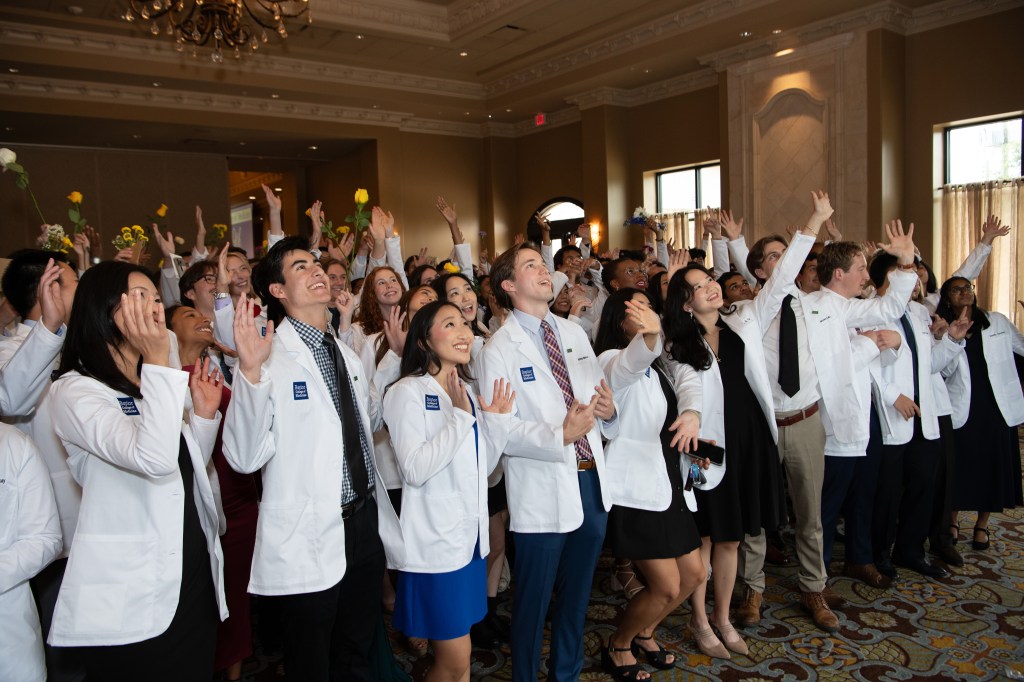
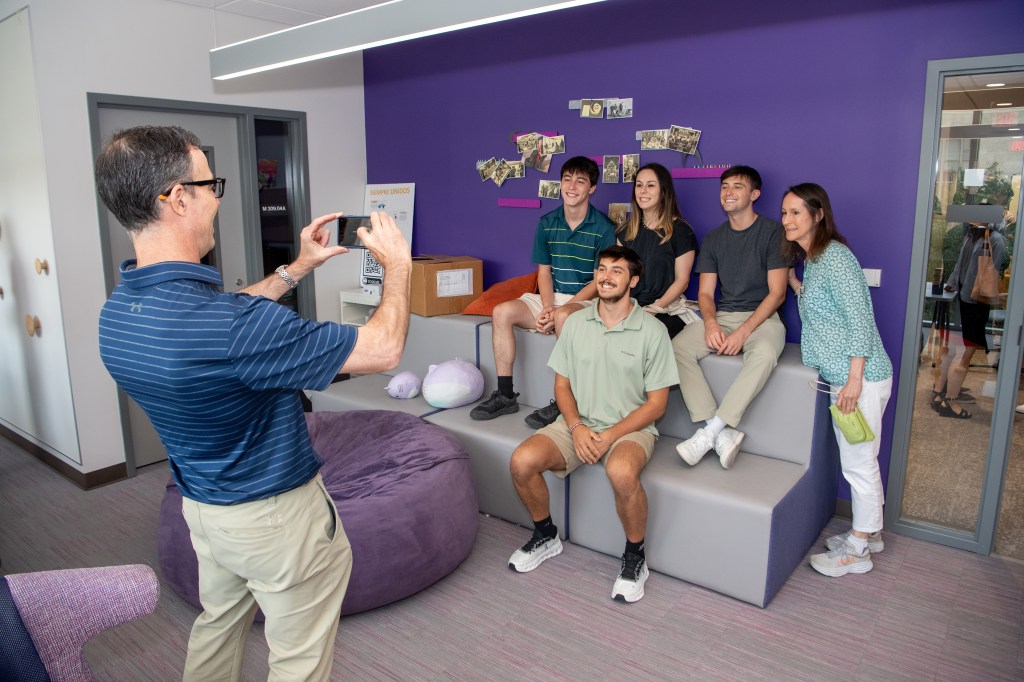
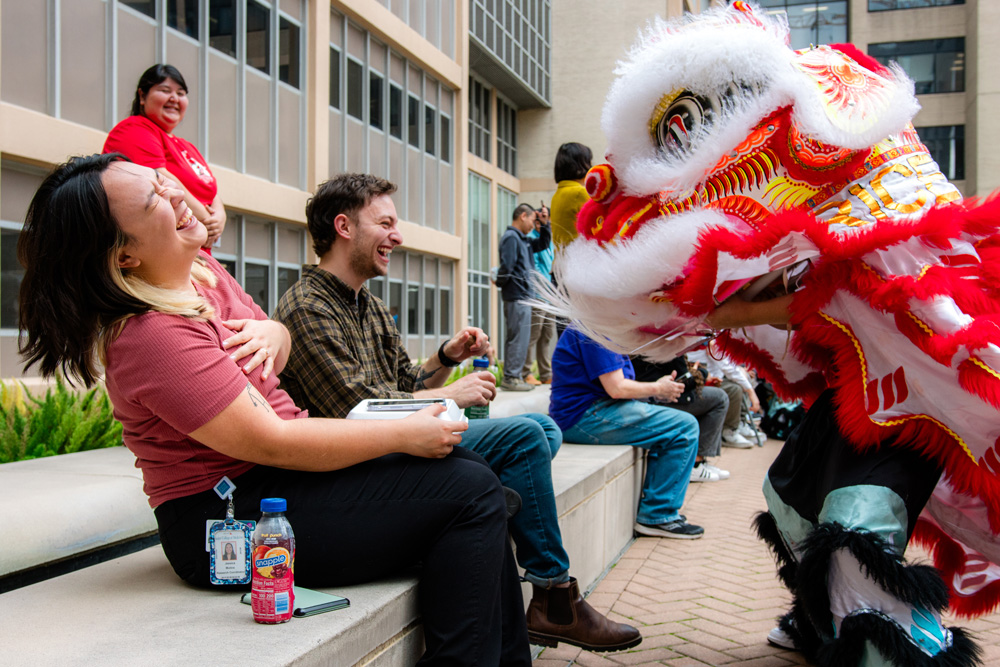
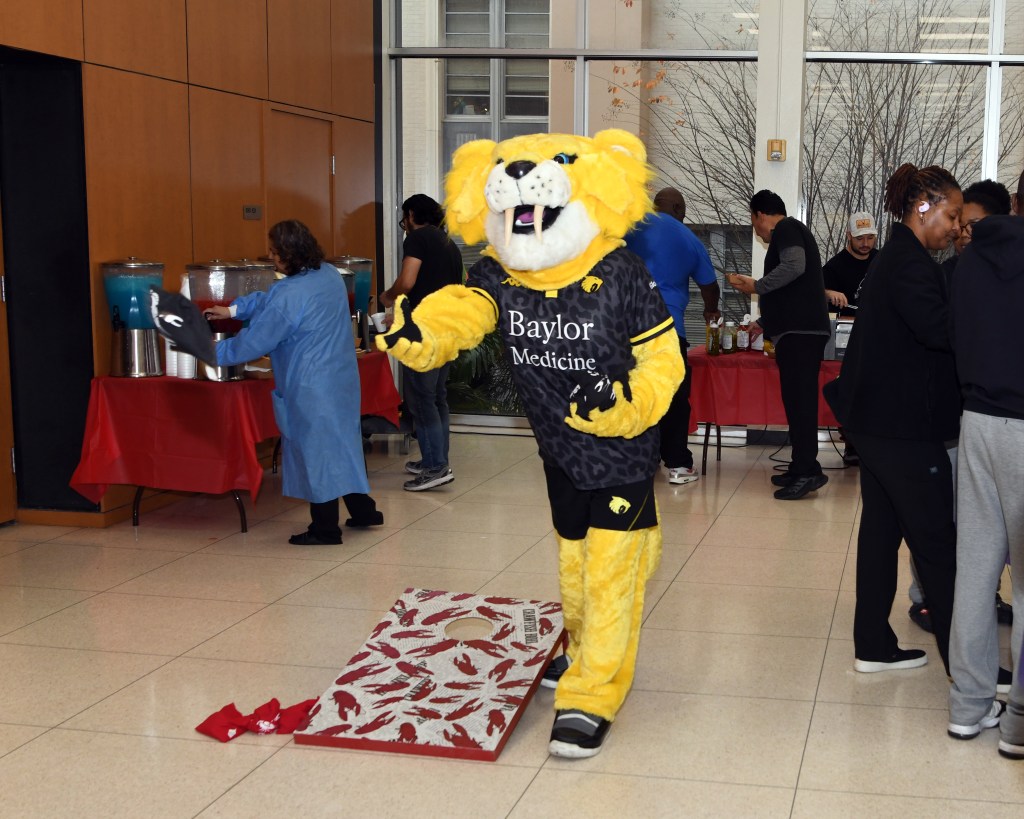
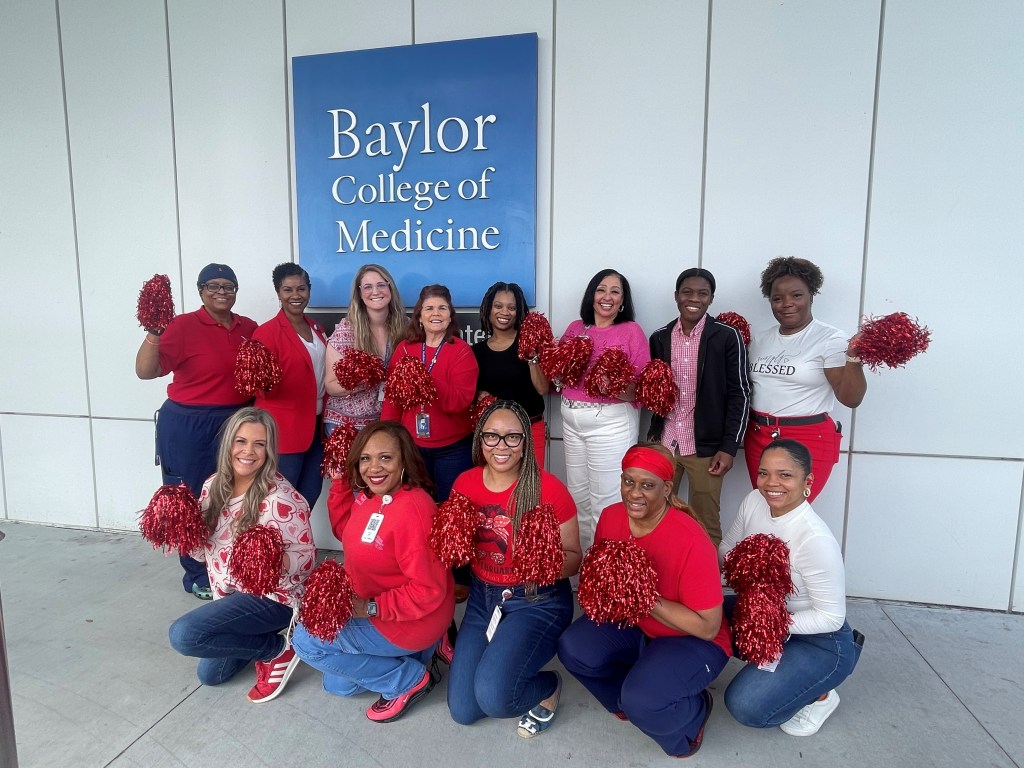
It’s the Baylor community – its faculty, staff, trainees, learners, alumni and supporters – who have propelled the College forward. Community members marked the College’s latest milestone by signing the 125th anniversary commemorative poster, which will be permanently housed in Baylor Archives. In addition, employees and students had the opportunity to share what makes Baylor a special place to work and learn. See more from our community in this video.



Take a deeper look at what brought Baylor College of Medicine to where it is today through these resources:
- Baylor College of Medicine historical overview and video
- Michael E. DeBakey Library & Museum
- Baylor Archives in BCM Family
By Dana Benson
 BCM Family