National Allied Health Professions Week 2024 will be celebrated Nov. 3 to Nov. 10. At Baylor College of Medicine, the next generation of nurse anesthetists, orthotists and prosthetists, physician assistants and genetic counselors are trained in the School of Health Professions.
Allied health professions comprise a diverse group of providers who identify, diagnose, treat and help patients with diseases and disorders. Allied health professionals work to optimize patient outcomes, support the patient’s family, educate the community and contribute to allied health professions scholarship.
Sandra Darilek is a genetic counselor who specializes in reproductive genetics at Baylor. She is an associate professor in the Department of Molecular and Human Genetics and the Department of Obstetrics and Gynecology who teaches students in the Genetic Counseling Program. Darilek serves as co-manager of the prenatal genetic counseling service at the College and Texas Children’s Hospital. She also is chief of the College’s Consultagene Clinic.
This interview has been condensed for style and clarity.
Q: What does Allied Health Professions Week mean to you?
A: Medicine is truly built on teamwork. In a way, it is like a team sport where you can’t succeed without every single member of the team – from the physicians to the allied health professionals, nurses, medical assistants and clinic staff. Allied Health Professions Week is a wonderful time to recognize and celebrate healthcare providers who work in non-physician roles and play an integral part in patient care. It’s also an opportunity to provide information and education about the variety of career options available for people who want to work in the medical field but don’t see themselves as physicians.
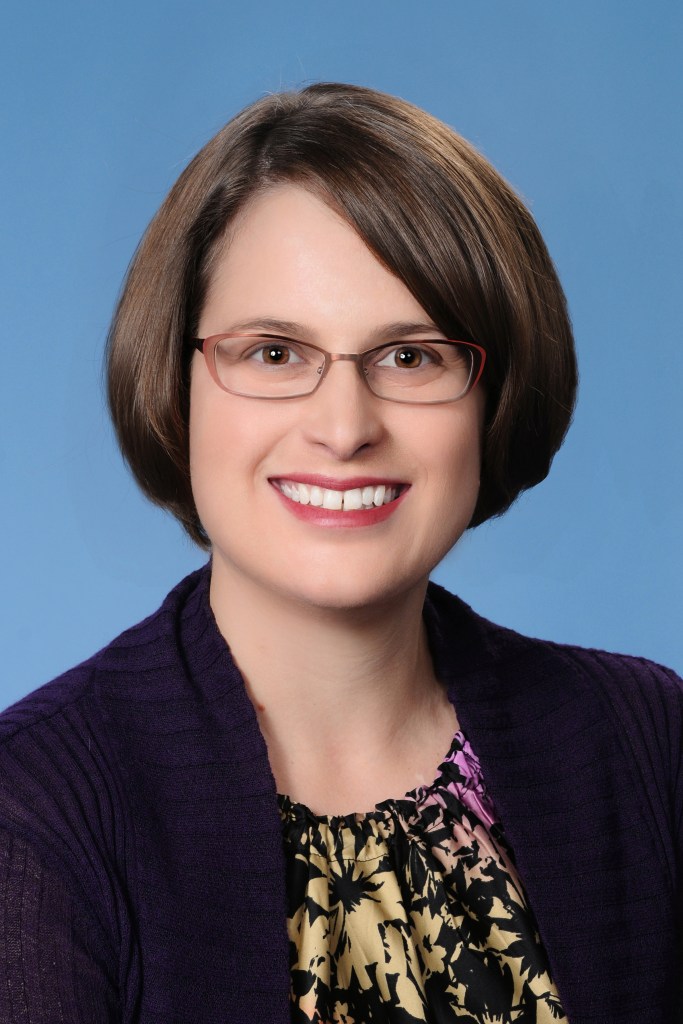
Sandra Darilek
Q: What separates genetic counselors from other providers in the field of health professions?
A: What distinguishes genetic counselors is our specialized genetics training coupled with our training in the psychosocial factors that affect patient care. For most healthcare providers, genetics education is a small percentage of what is covered in their training, but it is the focus of ours. In a field that is expanding and changing so quickly, that strong genetics foundation is key. As genetics continues to become more integrated into routine medical care, the ability to navigate the genetics realm and having an understanding of the role our genetics plays in our health is going to become increasingly important. Our training also positions us to meet patients where they are and to help them make decisions about their genetic health information within the psychosocial context of their lives.
Q: How did you become interested in genetic counseling?
A: I always had an interest in science, and later, genetics. I majored in genetics in college and knew I wanted to work in this area. Initially, my plan was to work in genetics research. But I had an interest in working directly with people and helping them navigate complicated issues from my volunteer work at a crisis hotline in college. I didn’t see myself as a physician and didn’t want to go to medical school but still wanted a way to combine my love of science and genetics with my desire to help people. I learned about genetic counseling my junior year of college, and there was no turning back.
Q: Describe your responsibilities in your roles at Baylor.
A: My responsibilities have changed over the course of my career here. What I enjoy most are my clinical responsibilities. I work in the preconception and prenatal area of genetic counseling, and I get to meet with patients to discuss their reproductive plans and talk about how genetic risks and genetic testing options can aid in making decisions. In that role, I am an educator, a coordinator, at times a (temporary) crisis counselor and advocate. I have the opportunity to be involved in genetic counseling education through teaching in our program and providing clinical supervision for students. I participate in medical trainee supervision through supervision of medical students, residents and fellows that rotate through the reproductive genetics service.
Q: What do you enjoy the most about genetic counseling?
A: Working with patients. I can honestly say that it is the patients that I see that get me out of bed each morning, and they are why I continue to love what I do. When a patient lets you know that your interaction helped in some way – large or small – it is very validating. The healthcare field can be a confusing and scary place and being able to help someone navigate that space and make some sense of the information they are being given is very rewarding.
Q: What are the most challenging aspects about genetic counseling?
A: Genetics is an ever changing and evolving field. You have to try to (learn all the) new developments but also accept that you never will be completely up-to-speed. Another challenging aspect is trying to help patients make sense of the information they get and the evolving nature of the information. Sometimes, we don’t have the answers despite doing our best to try to find them and helping patients understand and reconcile that can be complicated. Sometimes, the information we do have for patients is not what they want to hear or can be devastating, and we have to try to help figure out how to adapt and cope.
Q: What is one of the most proud accomplishments in your career?
A: I am very proud of being part of the building of our reproductive genetic counseling service. When I started working at Baylor more than 21 years ago, I was one of three genetic counselors working in reproductive genetics, and now I co-manage a team of 11 genetic counselors and one genetics nurse who provide reproductive genetic counseling services that span Baylor, Texas Children’s and Ben Taub Hospital. I am proud to be part of a thriving Division of Genetic Counseling.
Q: What invaluable piece of advice from a mentor do you regularly apply to your career?
A: Collaborate. Collaboration is so important and opens doors to opportunities you may not have known were there. Get to know and work with people outside your specialty, outside your department and outside your institution. Building a network provides you with a very valuable resource.
Q: What would you say to someone interested in becoming a genetic counselor?
A: Explore the option of genetic counseling as a career. Talk to genetic counselors to find out what they do and why they do it. The skillset you learn and develop as a genetic counselor is broadly applicable. As a genetic counselor, your career can take a variety of directions, and you have the ability to pivot. Genetic counselors work in a variety of roles, including clinical care, research, education, lab stewardship, industry, insurance and advocacy. Many genetic counselors have worked in different positions over the course of their careers, and the roles you see filled by a genetic counselor have expanded significantly over the course of my own. Your career as a genetic counselor is what you decide to make of it.
By Jasmine Edmonson, communications associate, Business Operations, in the School of Health Professions
 BCM Family